

The Language of Flowers Part 2
Primrose

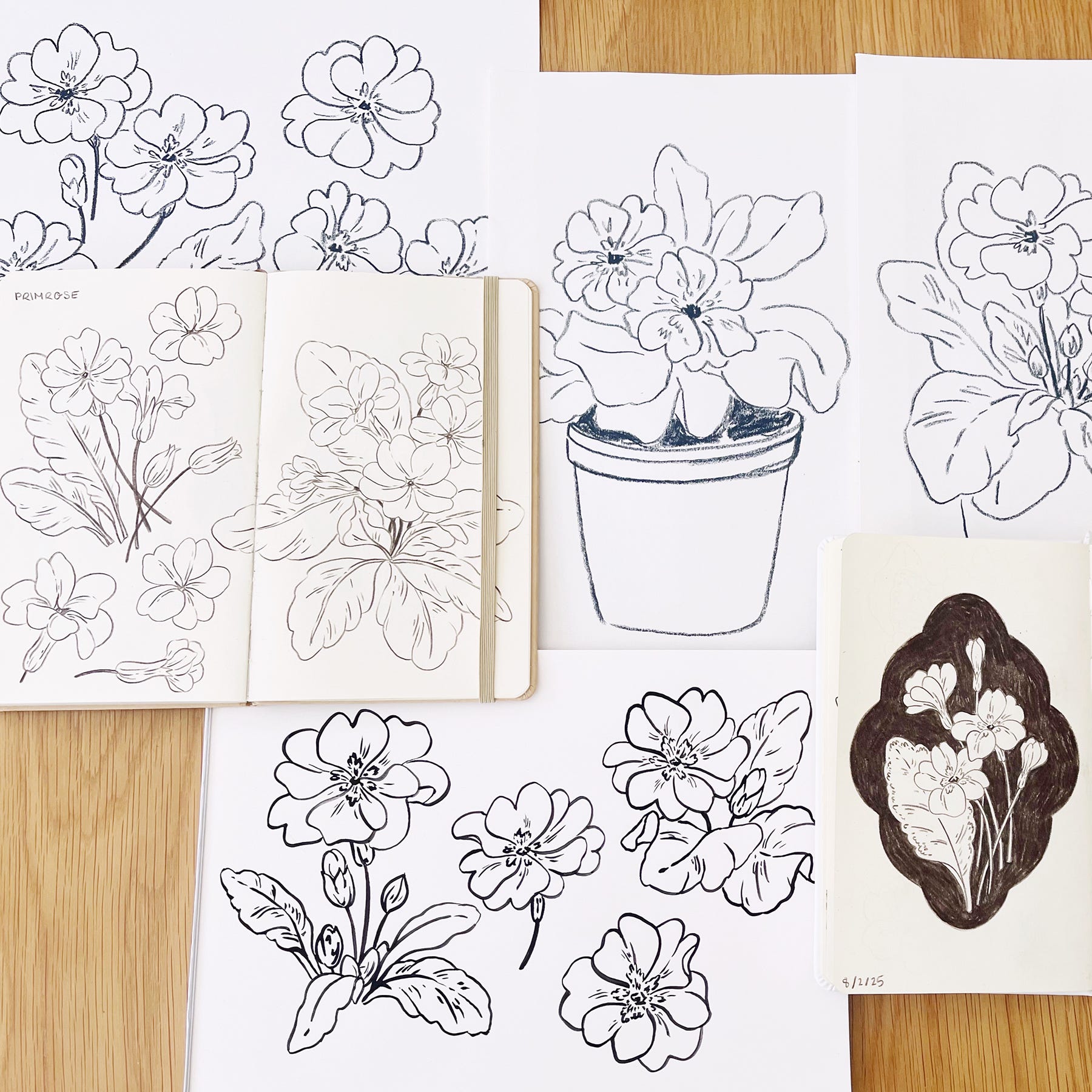
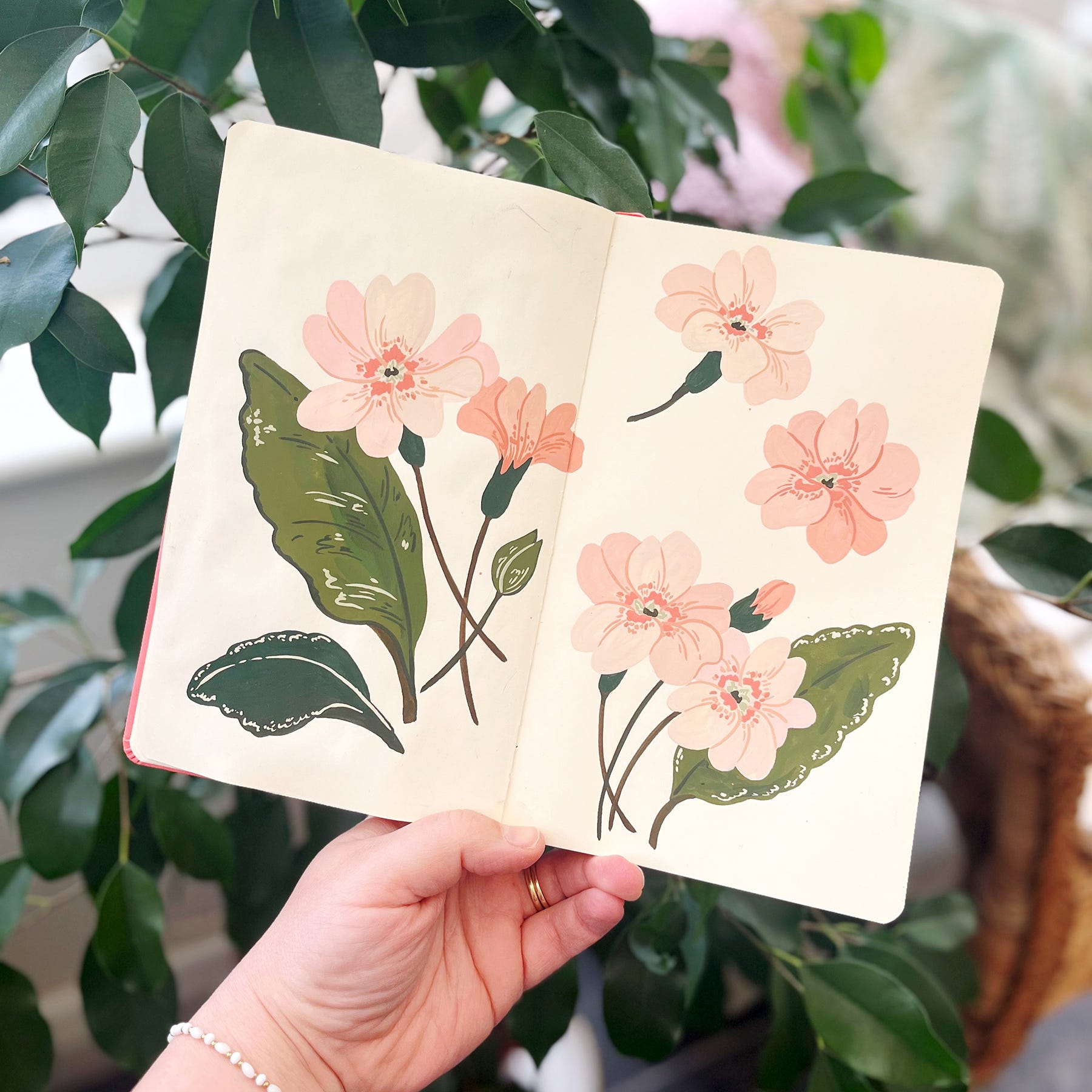
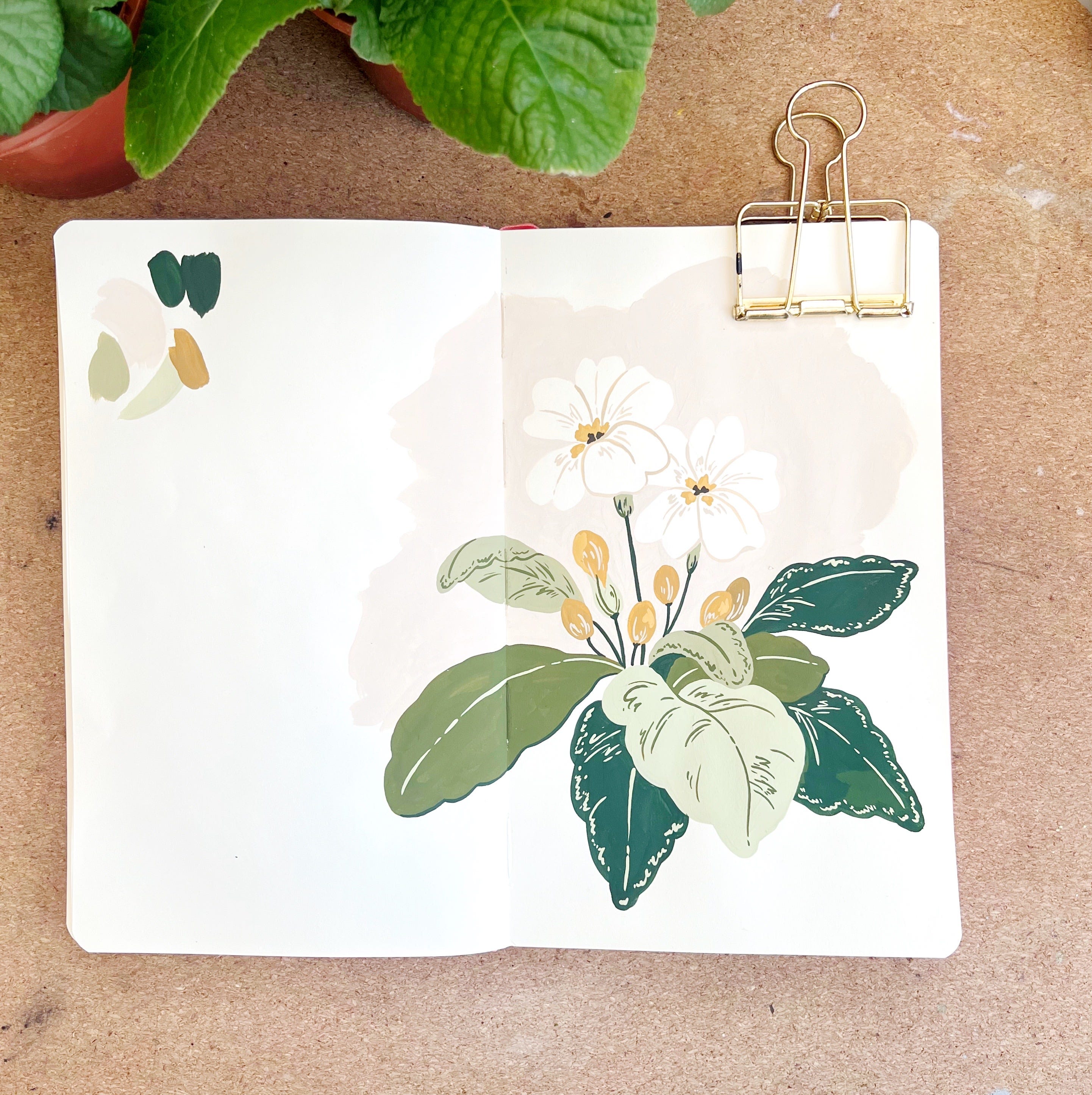
This is the second post in a new series titled ‘The Language of Flowers’. I’m combining my love of drawing florals and plants, with a fascination in their stories and the science behind them. I’ll be picking one flower or plant per month, using it as inspiration for lots of artwork, and sharing lots of lovely facts about it. You can view Part 1 on Hellebores here.
Note: there is a vast amount of information and differing opinions on the language and meanings of flowers, so these posts will not be extensive. Feel free to let me know any additional facts or definitions you have heard for these plants!
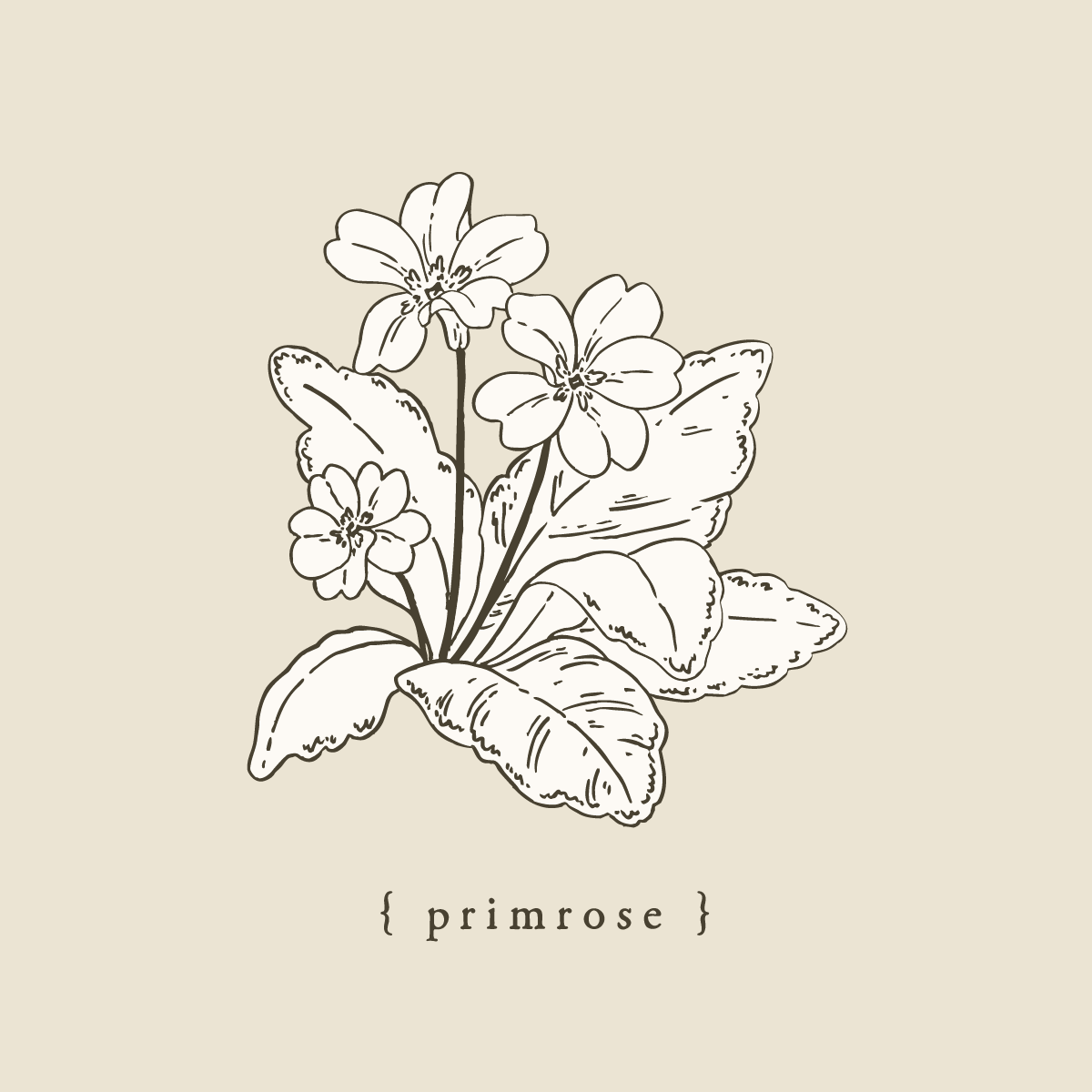


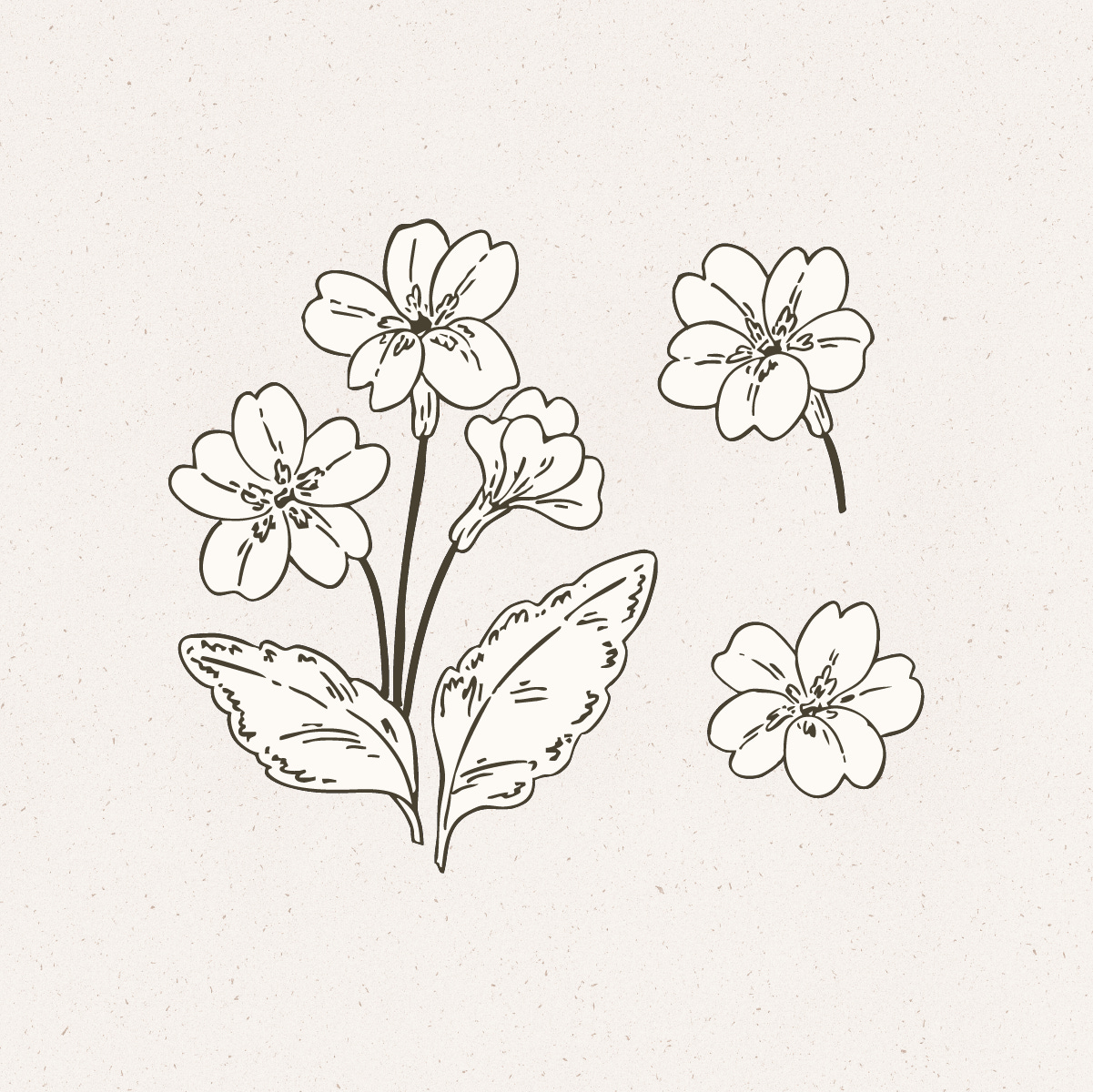
Primrose
Alternative names: Primula, Polyanthus, Butter Rose, English Cowslip, Primula Vulgaris
Symbolic Meanings:
Confidence, contentment, early youth, eternal love, feminine energy, frivolity, happiness, can’t live without you, kindness, modest worth, obsessive love, pleasure, pride of riches, resilience, satisfaction, silent love, thoughtlessness, woman, young love
Primrose is one of the birth flowers for February
Primroses are among the first flowers to bloom in the new year, so they have often been associated with new beginnings, youth and young love.
Primroses can also symbolise youthful femininity, as in the poem by Edmund Spenser - “Mine was the primrose in the lowly shade…Oh! That so fair a flower so soon should fade. And through untimely tempest fade away”, where he speaks of a young woman. In some cultures, the five petals of a primrose symbolise the stages of a woman’s life, from birth to death.
In The Language of Flowers, primroses symbolise young love and innocence, and send a message of “I can’t live without you”.
There are also specific meanings for each colour of primrose:
Yellow: Happiness, warmth and love
Lilac: Confidence
Red: Passion and charm
Pink: Femininity, youth and renewal


Behind the Name:
The name “primrose” derives from the Latin Prima Rosa, meaning “first rose”, named after the plant’s ability to produce early blooms in milder years.
Folklore:
According to the stories of the Flower Fairies, the primrose is an ingredient in lots of old spells and remedies.
To cheer the spirits - consume primrose with salt and vinegar
To restore speech - it can be distilled in to a juice
To keep the witches away - leave primrose flowers on the doorstep on May Day
To see the fairies - consume primrose flowers
To open the way to fairyland - touch a fairy rock with a posy of the correct number of primroses (but using the wrong number of primroses is dangerous!)
It is also said that you can grow red and blue primroses in the garden to attract fairies and protect the space from adversity.
You can carry a primrose flower to either attract love, or to cure madness.
If you dream of primroses, it may symbolise that “you will find happiness in a new friendship”.
In Norse mythology, primroses were a sacred flower to Freya, the goddess of love, with the pale yellow colour signifying Freya’s golden demeanour. During a ritual, primroses would be laid on Freya’s altar.
Some cultures believe that the common primrose has powers of love, healing, protection, or even finding treasures.
Primroses were used during the middle ages to make love potions.
However, primroses also have some negative associations
It is thought by some to be bad luck to bring primroses indoors, especially in a bunch of fewer than 13 blooms
Country folklore suggests that cut primroses will prevent chicks from hatching. This is due to Primula Vulgaris’s (common primrose) resemblance to an egg - with their creamy petals, and rich yellow centre. “Imitative belief” or “Sympathetic magic” is a kind of superstition where things that look like each other are believed to affect one another (often negatively).
Primroses appear several times in Shakespeare’s writing, including the mention of young lovers “on beds of primroses” in A Midsummer Night’s Dream


Floral Facts:
Primroses are part of the Primulaceae family. The family contains more than 2500 species, including Cyclamen, Ardisia and Myrsine. Around 500-600 of those species are primroses.
Primula Vulgaris or “common primrose” is most often a pale cream with a rich yellow centre.
Human-bred cultivars of primrose can often be very bright colours including red, pink and violet.
Primroses are native to Europe, North Africa, and the Caucasus region. They grow abundantly in the UK and can be found in woodlands, hedgerows, and along streams.
Primrose seeds are spread by ants. They’re also pollinated by butterflies, wasps, bees, beetles and flies.
Primrose flowers and leaves can be consumed, and the blooms are often crystallised and used as “sugar flowers” on cakes.
The flowers and leaves of a primrose have both been used in many herbal and medicinal remedies, and the leaves are even rich in vitamin C.
Resources:
Articles
Bloom & Wild Guide to The Meaning and Colour Symbolism of Primroses
Primrose Flower Meaning and Symbolism: Ultimate Guide
Books:
The Complete Language of Flowers, S. Theresa Dietz
Flower Fairies - The Meaning of Flowers, Warne
RHS Genealogy for Gardeners, Dr Ross Bayton and Simon Maughan
Plant Lore and Legend, Ruth Binney
Floriography: The Myths, Magic & Language of Flowers, Sally Coulthard
Blossom: Practical and Creative Ways to Find Wonder in the Floral World, Adriana Picker
Just shared with my drawing student. I’m so inspired by your work and this series! You are an ink- Jedi master!
"To see the fairies - consume primrose flowers" yeah, right🤣